“A world in which every child has access to the necessary tools to fulfill their potential and flourish.”


Affordable Health Initiative (AHI) is a campaigning charity organisation, registered in the UK in June 2019.

Letter from the chair

The AHI does not accept donations and does not fund implementation of interventions. Instead, it provides technical assistance in developing fundraising proposals and implementing the AHI approach to sustainable health. Visit the Affordable Health Research Centre (AHRC).

Removing the fence.

All children worldwide have the right to access Health Care and quality Education. What we do>


THE AHI CAMPAIGNS

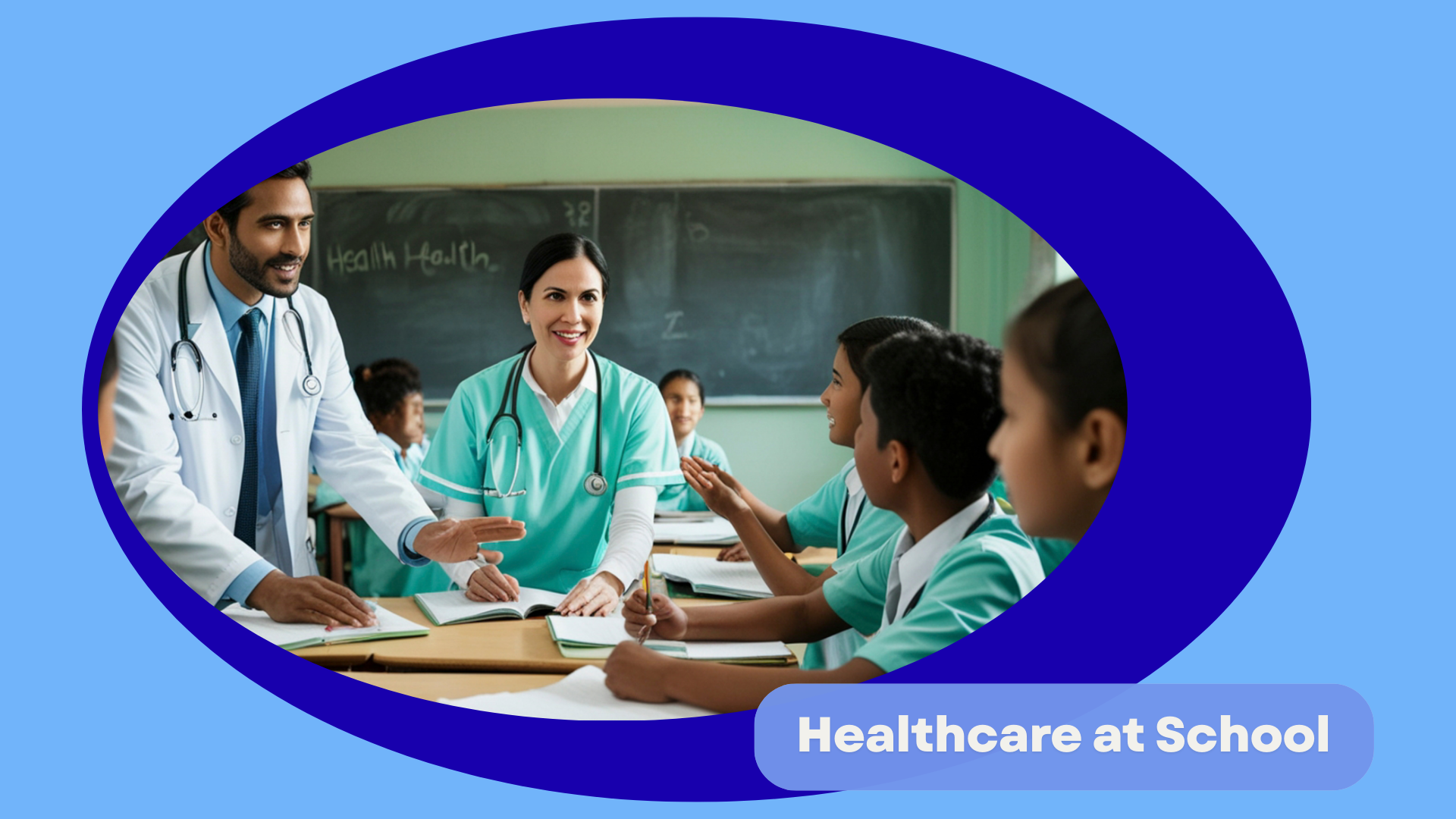
Making every school a Health Promoting School.

AHI supports the WHO–UNESCO campaign “Making every school a Health Promoting School” and have operationalised the call to embed oral health into school policies, environments and curricula. Learn more>

To this purpose, the AHI has developed a scalable low-cost HPS model, piloted its implementation, and developed Guidelines to implementing and Protocols to assess the impact of the AHI-model of HPS. Available by request. Learn more>


The AHI model of Health Promoting School

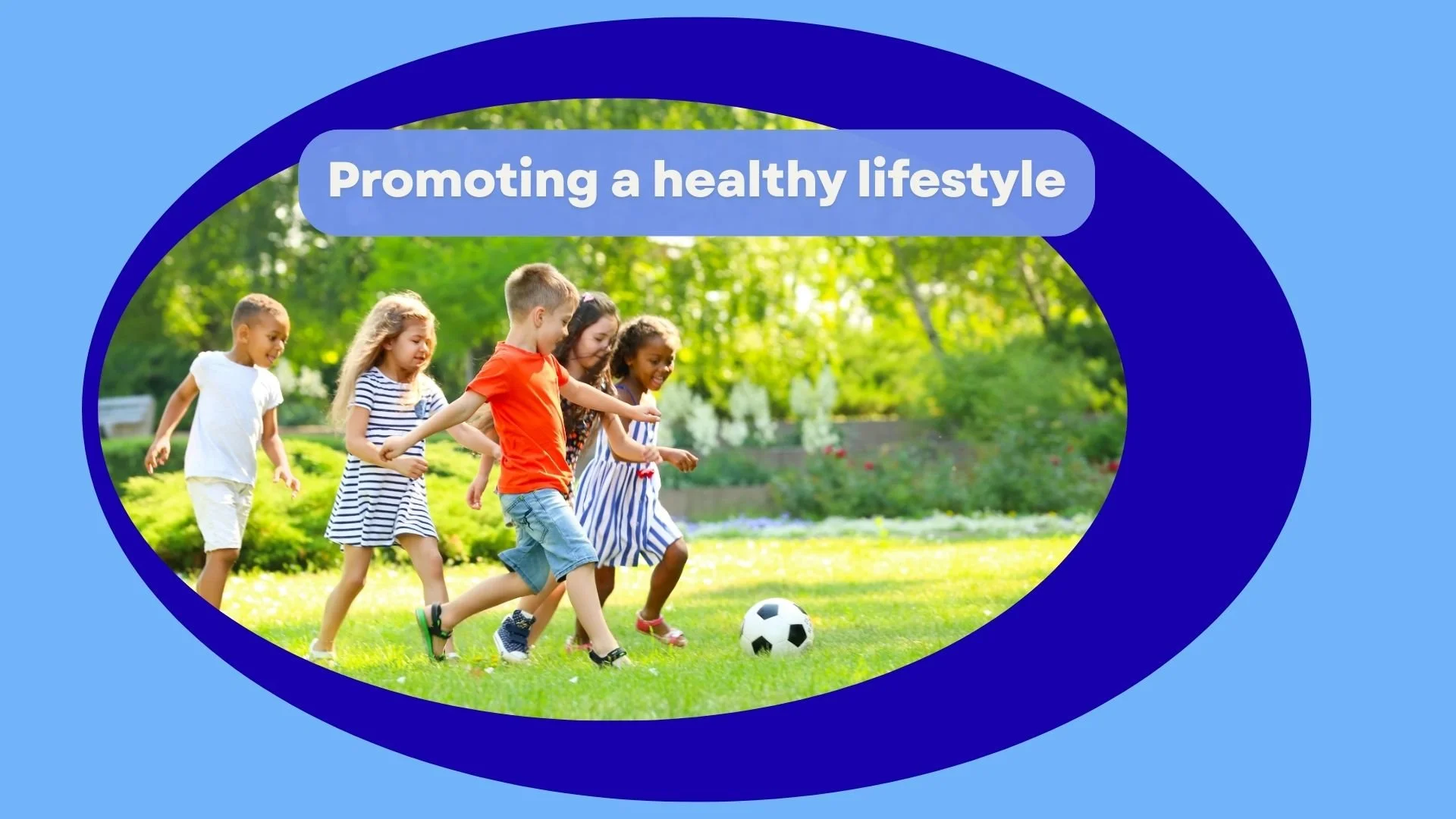
The AHI-model of HPS advocates low-cost interventions that together have the power to improve schoolchildren educational and health outcomes, building the foundation for healthier, happier, and more confident generations.


Eradicating toothache in schoolchildren.

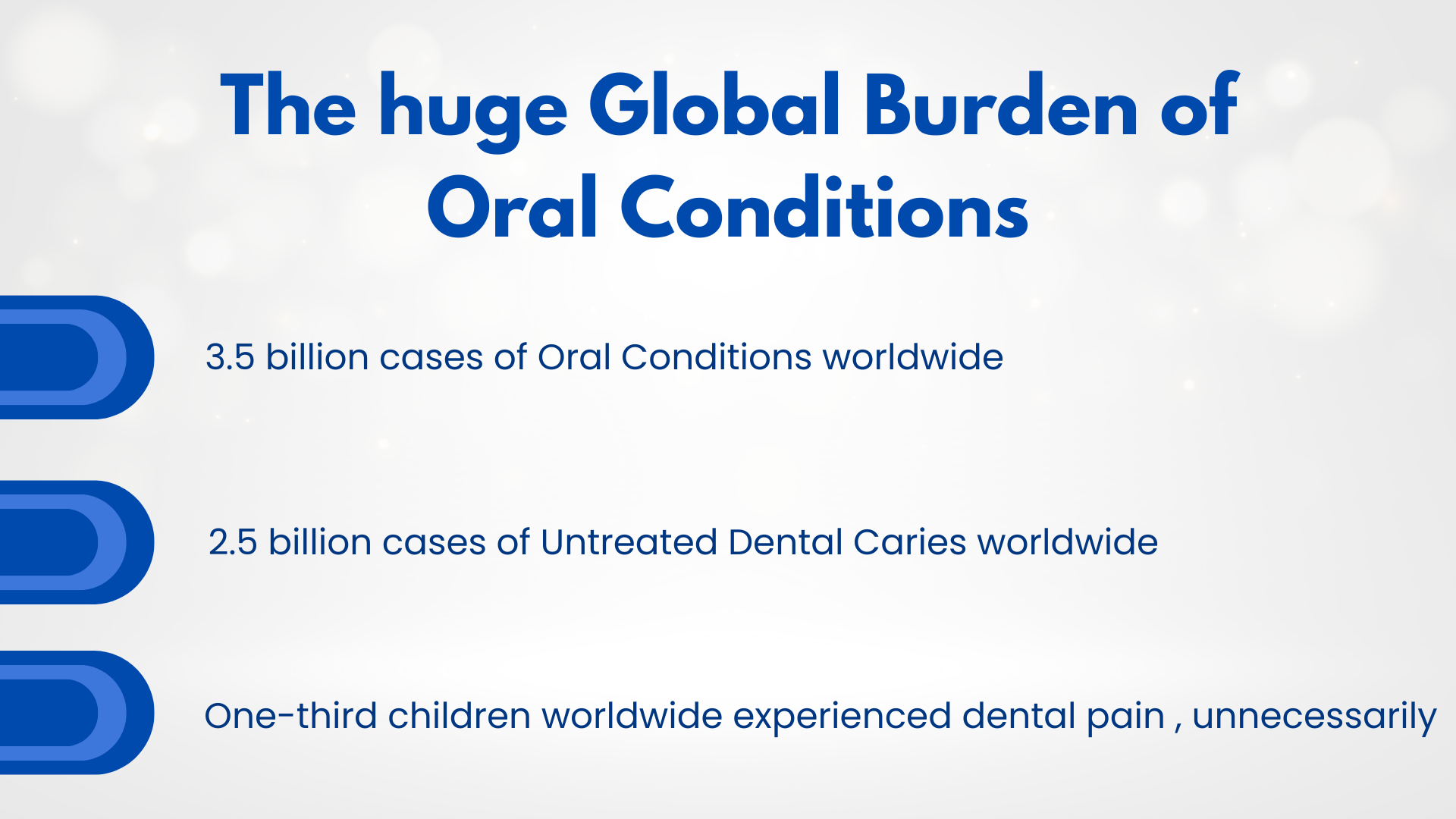
Dental Caries is the most prevalent disease in man kind, and the most neglected of all.

Best Practice Dentistry to all schoolchildren should be the foundation of all Action Plans to address the Global Burden of Oral Conditions.

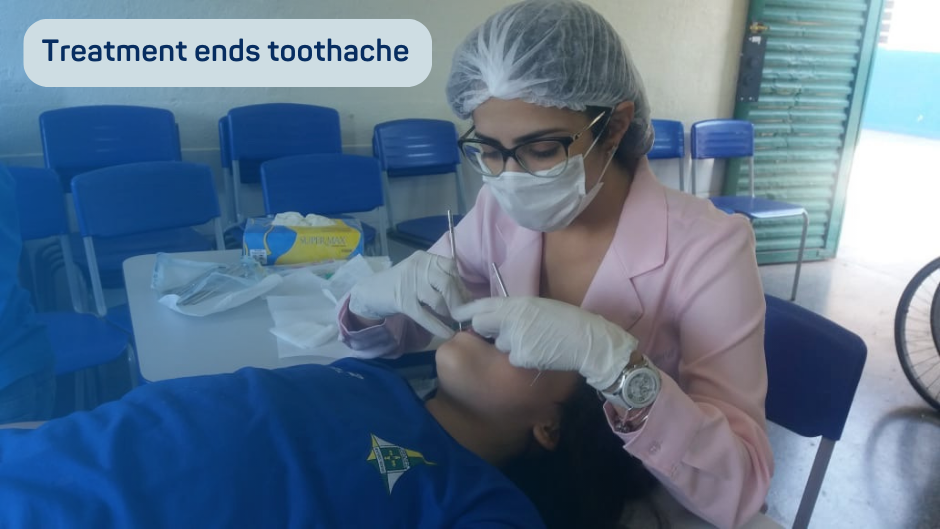
AHI is campaigning for free access, at school setting, to Best Practice Dentistry. Learn more>

W

Healthy teeth contribute to better nutrition, clearer speech, and greater confidence—enabling people to eat comfortably, smile freely, and feel more attractive in social and professional settings.


Embedding Oral Hygiene on WASH strategy.

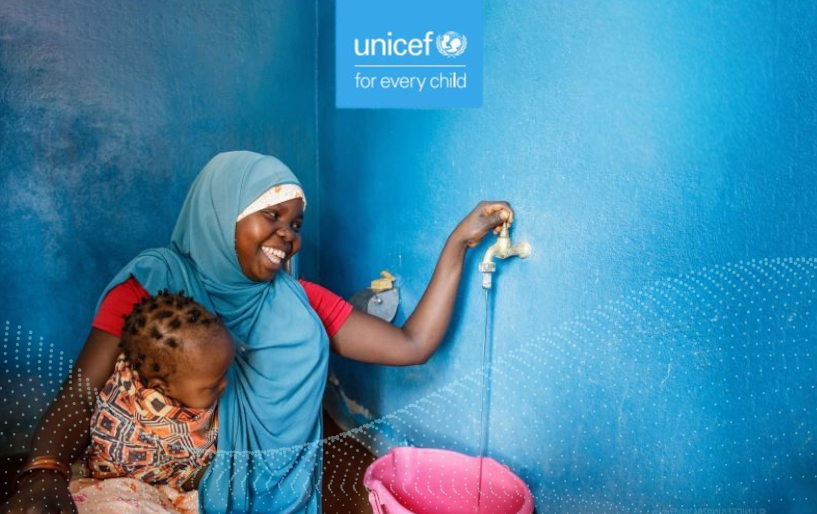
Embedding oral hygiene within the WASH strategy is a logical step, as oral hygiene is an integral part of body hygiene—yet a surprisingly missing component in many school health programmes.

Brushing teeth twice daily with fluoridated toothpaste is one of the most effective ways to prevent dental decay. This integrated approach maximises the use of existing resources, reinforces daily hygiene routines, and daily exposure to fluoride, which may even reverse tooth decay in the early stages.


Assuring that all school children are vaccinated.

Vaccination is one of the most efficient tools for controlling infectious diseases.

In addition to saving lives, vaccination keeps children healthy, allowing them to attend school regularly, learn effectively, and grow into productive adults. Healthy, disease-free children contribute to stronger families, more resilient communities, and greater social and economic stability.

AHI-model includes surveillance and organising referrals for vaccination at local PHC.


Health Beyond Biology

The AHI model acknoledges that health is not merely a biological condition and conceptualises health as a durable asset—one that can improve or deteriorate through a dynamic process shaped by interactions among financial, cultural, and psychosocial resources.

Within this framework, health outcomes—defined as the ability to live a long life, free of disability and with good age-related functional capacity—result from the interplay between individual choices and the wider determinants of health that influence the accumulation or erosion of health over time.

The AHI model therefore advocates a realistic, step-by-step structural approach, grounded in emotional intelligence, critical analysis, and problem-solving. This approach empowers the entire school community to identify challenges, apply practical solutions, and progressively take control of their own health.


The AHI model shifts away from the traditional risk approach—which focuses on “don’ts” such as avoiding risks towards a protective approach that makes the healthy choice the natural and easy one.


Making Healthy Choices Easier

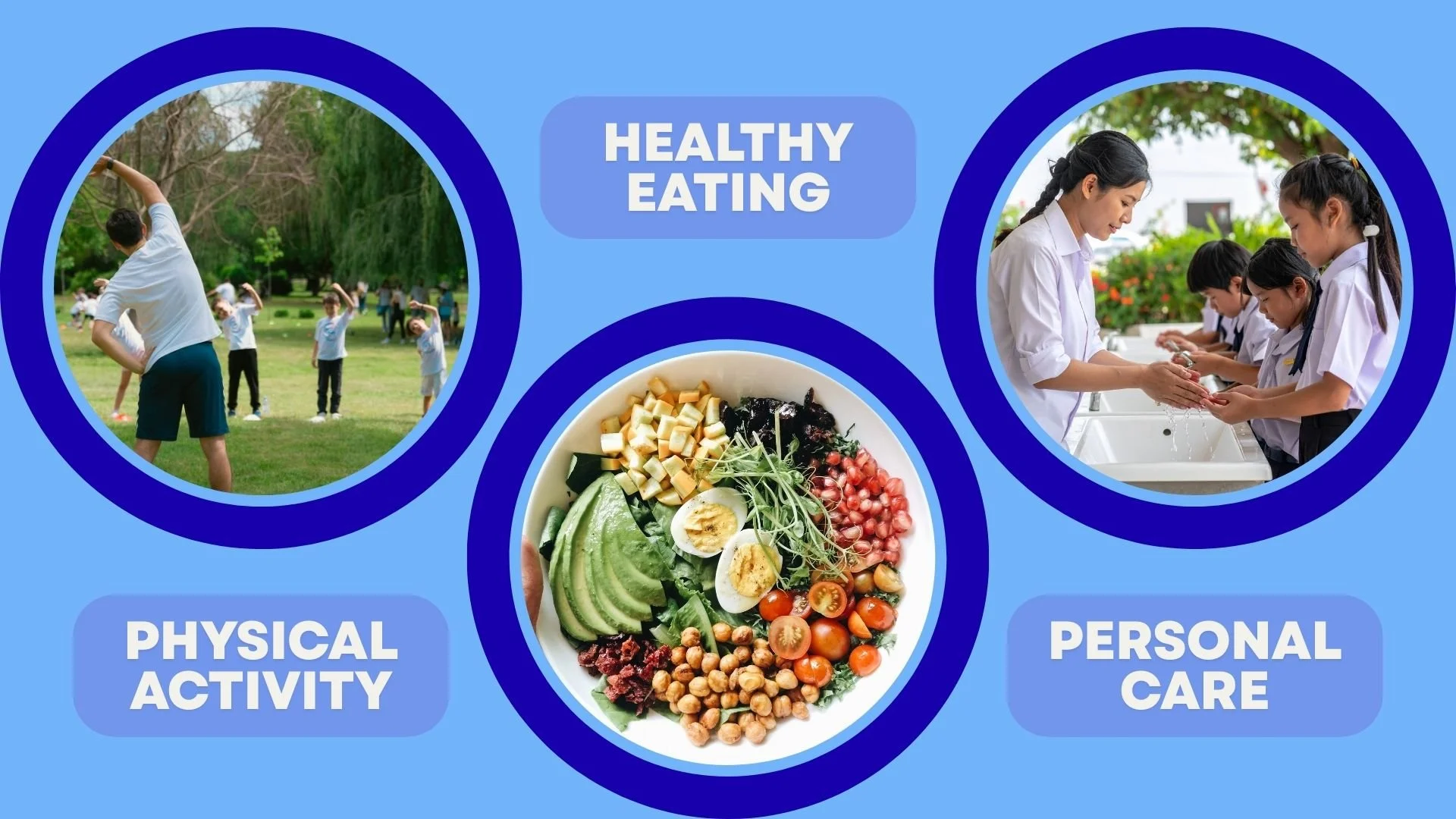
This is achieved by ensuring free access to healthy food to families, nutritious school meals, basic hygiene practices at school setting, safe spaces for physical activities and play, preventive dental and medical care at school setting.

Healthy behaviours are more likely to be adopted and sustained when the environment supports them. Literacy is the foundation of adopting a healthy lifestyle, and structural factors are the barriers.


AHI model adopts the Food Banks strategy of collecting surplus healthy nutritious food from across farmers and retailers, store them, and distribute to family homes and schools addressing socio-economic barriers to healthy eating.

A balanced diet rich in fruits, vegetables, whole grains, and proteins provides essential vitamins, minerals, and fibre, promotes metabolic balance, support healthy growth and development throughout life. Natural sources of sweetness and healthy fats helps to reduce excess calorie intake and prevents obesity, cardiovascular diseases, cancer and dental caries. Beyond physical health, good nutrition also supports emotional well-being and self-esteem by improving energy levels and appearance.

AHI model aligns with the WASH (Water, Sanitation, and Hygiene) framework and adds supervised toothbrushing with fluoridated toothpaste in schools.

Personal hygiene can protect the whole school community against infectious diseases and also improve social acceptance. The latter adds mouth hygiene to body hygiene. It guarantees that children brush their teeth with fluoridated toothpaste at least twice daily. Evidence confirms that regular toothbrushing and fluoride use are the most effective preventive strategies against caries and periodontal diseases.

The AHI model developed a physical activity programme that can be implemented in schools without sports facilities.

Regular physical activity is fundamental to maintaining good physical and mental health across the life course. For children, being active enhances motor coordination, balance, and concentration, supporting better learning outcomes and school performance. Furthermore, it reduces anxiety and depression, builds resilience, promotes restful sleep, and enhances mood through the release of endorphins. Furthermore, it improves cardiovascular fitness, regulates body weight, and reduces the risk of chronic diseases such as obesity, diabetes, and hypertension in the adult life.

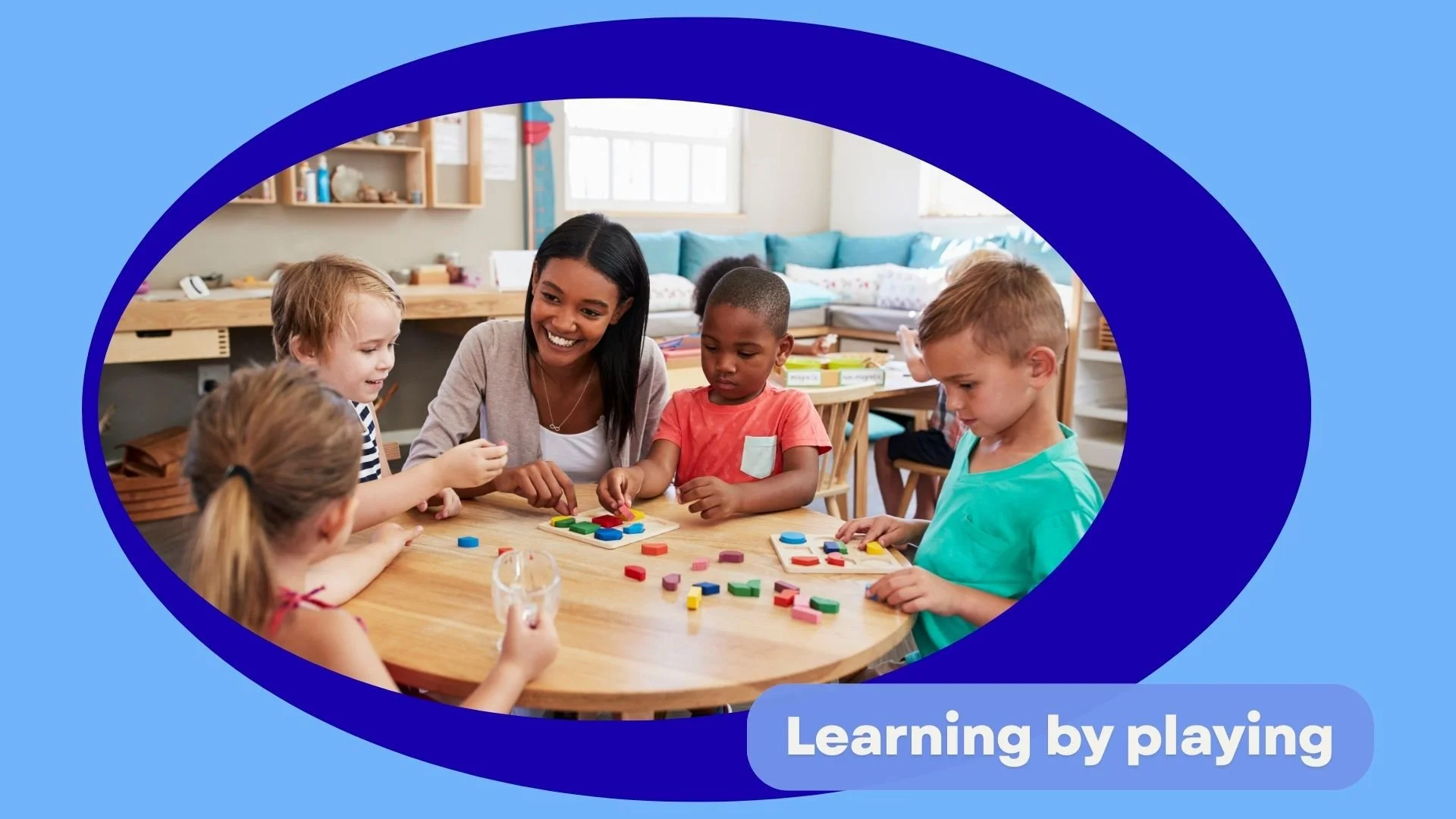
The AHI model argues that school children cannot directly impart health information. Experience can better enable students to construct their own knowledge. The AHI model understands education in a broader way than is traditionally the case and instead of focusing on the delivery of information to students, AHI model’s approach to teaching is based on the idea of the children  finding a solution to a problem. AHI has developed several activities to provide such experiences.


Teaching what matters for life


Medical Healthcare focusses on surveillance and organising referrals to local Primary Health Care.


Dental Healthcare is provided at school setting adopting a modern biological approach to prevent and manage tooth decay.

Click here to watch a lecture>


Theoretical Framework

Research opportunities

A multi-centre study was designed to assess the feasibility of implementing the AHI model of  HPS in socially deprived areas worldwide and the impact of the intervention on health and education of schoolchildren and their families.

Our work focuses on technical assistance for the maintenance of the AHI model of HPS standards, as well as on the development of schools health policies and health care protocols for AHI schools.

Learn more>

Research activities

Currently, there are over 40 research associates carrying out projects in collaboration with the AHRC. The AHRC has been providing technical support in piloting the implementation and evaluating AHI model of HPS in District Federal (Learn more>); state of São Paulo (Learn more>) state of Minas Gerais, Brasil Afigya Kwabre South District, Ghana (Learn more>); Ife District, Nigeria; and Somalia, in Africa.

SEE OUR RESEARCH ACTIVITIES>